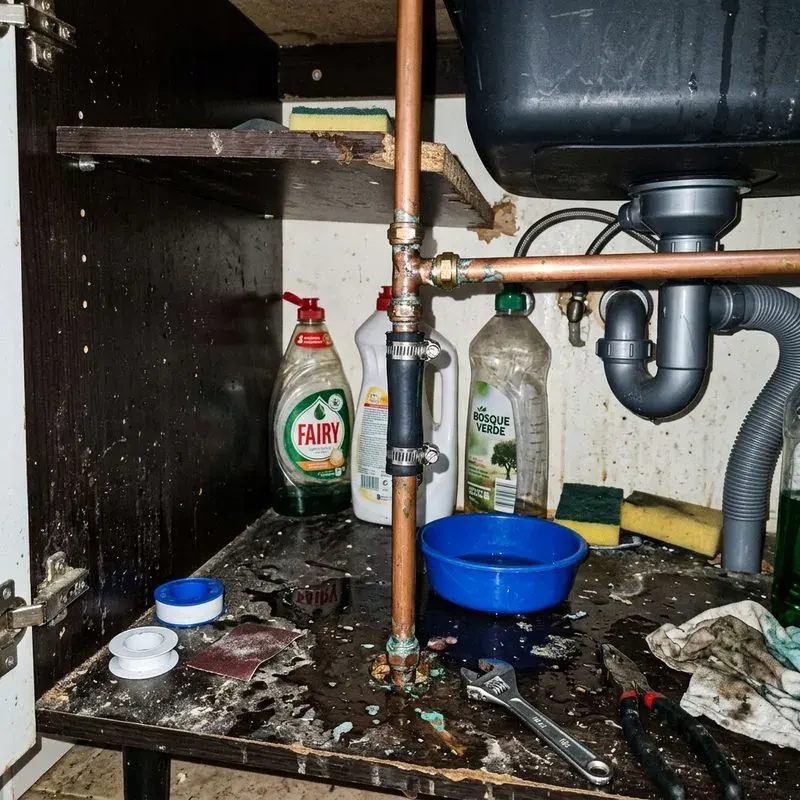
Emergency Drain Unblocking 24/7 in Sant Feliu de Llobregat
Unblocking sinks, toilets, downpipes and inspection chambers. On-site diagnosis and multibrand spare parts.
CALL DIRECTLY
936 94 00 23
⚡ Zero intermediaries · Instant dispatch
Prefer WhatsApp? Send photo of breakdownCallback in 1-2 min
We call you in 2 min
The on-duty technician calls you right now to confirm the issue.
Emergency trades covered in mobile workshop:● On route
Select your issue. Tap for immediate dispatch:On-site diagnosis & evaluation
 ✓
Adam B.
24/7 Specialist Technician · +12 years emergency experience
On the way with a mobile workshop · Arrival < 20 min in Sant Feliu de Llobregat
Direct Service Without Middlemen
On-Site DiagnosisThe technician inspects the breakdown upon arrival and evaluates the job on site. Pay conveniently once the repair is tested.
💶 On-Site Diagnosis
📱 Instant Bizum
🤝 Direct Contact with Technician
🚐 Mobile Workshop
Direct Service Without Middlemen
On-Site DiagnosisThe technician inspects the breakdown upon arrival and evaluates the job on site. Pay conveniently once the repair is tested.
💶 On-Site Diagnosis
📱 Instant Bizum
🤝 Direct Contact with Technician
🚐 Mobile Workshop
🛑What to do during a clog or overflow?
Arrival 20-35 min1Do not flush the toilet
Do not flush or run taps connected to the same drainage line.
2Avoid sharp objects
Do not insert stiff wires that could crack the trap or pipes.
3Clear the access area
Remove rugs and nearby objects for fast machine access.